Dana Schmitz · 25 October 2026
Uncovering Hidden Workflow Synergies Between Operator Training Cycles and Throughput Consistency in Boutique Machining Environments
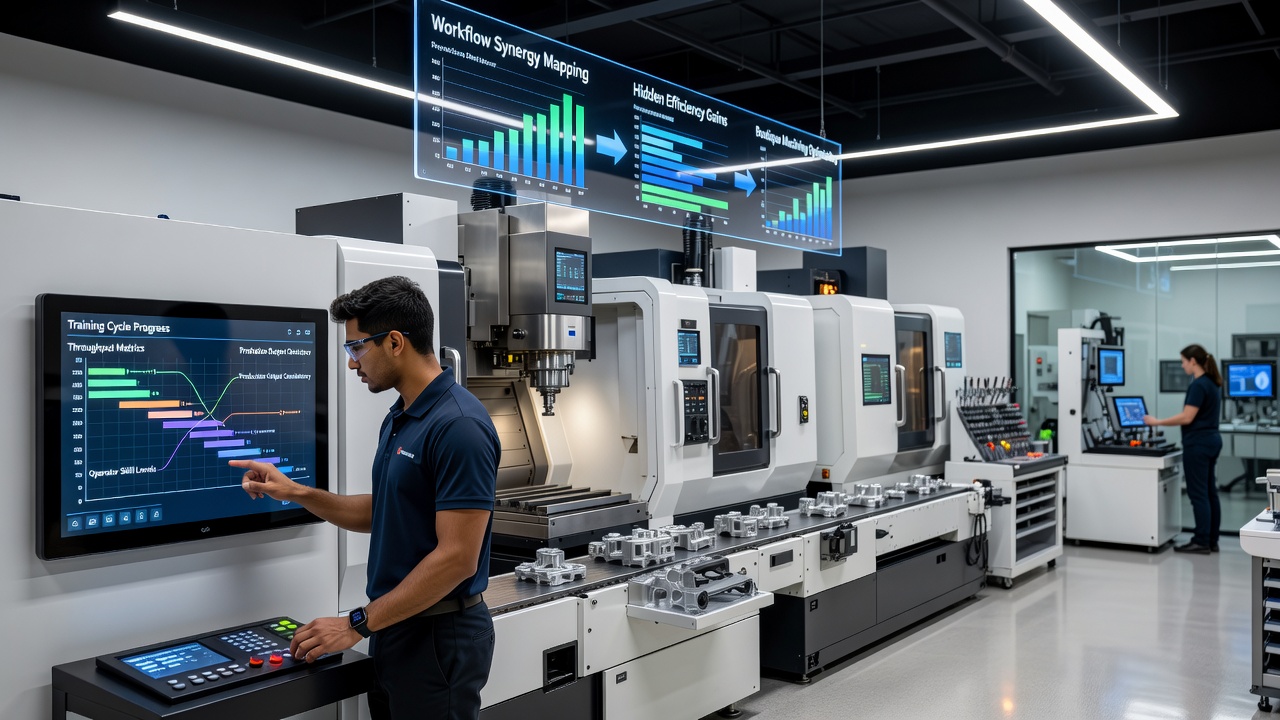
Boutique machining environments operate with smaller teams and specialized equipment, where operator training cycles directly influence daily output rates and quality metrics. Data from manufacturing studies show that structured training intervals reduce variability in part tolerances, while inconsistent training schedules correlate with fluctuations in machine utilization rates. Observers note that these facilities often handle low-volume, high-precision components, making throughput consistency a key performance indicator tracked through production logs and cycle time measurements.
Defining Key Elements in Niche Production Settings
Boutique machining shops typically employ fewer than twenty operators and focus on custom or prototype work rather than mass production. Research indicates that these settings rely on multi-skilled staff who rotate across milling, turning, and inspection stations. Training cycles here involve repeated sessions on machine calibration, tool selection, and quality checks, often scheduled in weekly or bi-weekly blocks. Figures from industry reports reveal that shops maintaining regular training intervals achieve tighter standard deviations in throughput, measured as parts completed per shift.
Operator Training Cycles and Their Measurable Effects
Training cycles encompass both initial onboarding and ongoing skill refreshers that cover software updates, material handling, and error recovery procedures. Studies conducted by academic institutions demonstrate that operators completing standardized modules show improved adherence to programmed feed rates and spindle speeds, which stabilizes overall line output. In one documented case, a Canadian fabrication network tracked operator performance before and after cycle adjustments, noting a 12 percent reduction in unplanned stoppages over six months. Those who've analyzed production data find that shorter, more frequent training sessions yield better retention than extended annual workshops, leading to fewer dimensional deviations in finished components.
Throughput Consistency Metrics in Practice
Throughput consistency refers to the steady flow of completed parts without spikes or drops in hourly output. Metrics include overall equipment effectiveness, scrap rates, and on-time delivery percentages, all of which researchers link to training frequency. Data compiled by the National Institute of Standards and Technology highlights that facilities with documented training protocols report more predictable daily yields, especially when operators handle multiple machine types. And yet variations persist in environments where training documentation remains informal, resulting in higher rework volumes during peak demand periods.

Identifying Synergies Through Workflow Analysis
Synergies emerge when training schedules align with production planning tools, allowing operators to apply new techniques immediately on active jobs. Evidence from European machine tool associations shows that integrated approaches, such as pairing simulation-based modules with real-time machine monitoring, reduce cycle time variance by measurable margins. One study revealed that shops implementing feedback loops between trainers and supervisors experienced steadier throughput across seasonal order fluctuations. What's interesting is how these connections appear most clearly in facilities that log both training completion dates and corresponding output statistics, enabling pattern recognition through simple spreadsheet analysis rather than complex software.
Examples From Specialized Fabrication Networks
Consider a mid-sized Australian precision shop that adjusted its training calendar in early 2025 to include monthly micro-sessions on fixturing techniques. Production records from that period indicate sustained throughput levels even during staff absences, as cross-trained operators maintained consistent setup times. Another instance involves a U.S.-based network that correlated operator certification renewals with quality audit results, finding lower defect rates in months following refresher courses. Observers note these patterns hold across different material types, from aluminum alloys to hardened steels, provided training content addresses specific equipment quirks.
Current Trends Observed Into October 2026
As of October 2026, several boutique operations have adopted digital tracking systems that timestamp training events against throughput dashboards. Reports from research institutions indicate growing adoption of these tools, which allow managers to spot correlations between recent training and reduced idle time on CNC centers. External factors such as supply chain adjustments continue to test consistency, yet facilities that maintain disciplined training cycles demonstrate greater resilience in maintaining target output volumes. Researchers discovered that combining on-the-job coaching with periodic assessments supports both skill development and workflow stability over longer periods.
Conclusion
The connections between operator training cycles and throughput consistency in boutique machining environments rest on documented patterns of reduced variability and improved process adherence. Available data from government agencies and academic sources underscore the value of aligning training timing with production demands, while case examples illustrate practical outcomes across regions. Continued monitoring of these variables supports operational planning without reliance on anecdotal assumptions.